
DREAM. ENTER. ACHIEVE.
Dream. Enter. Achieve: Discover how entering Concept Hair Learner of the Year could build your confidence and open doors to new opportunities!
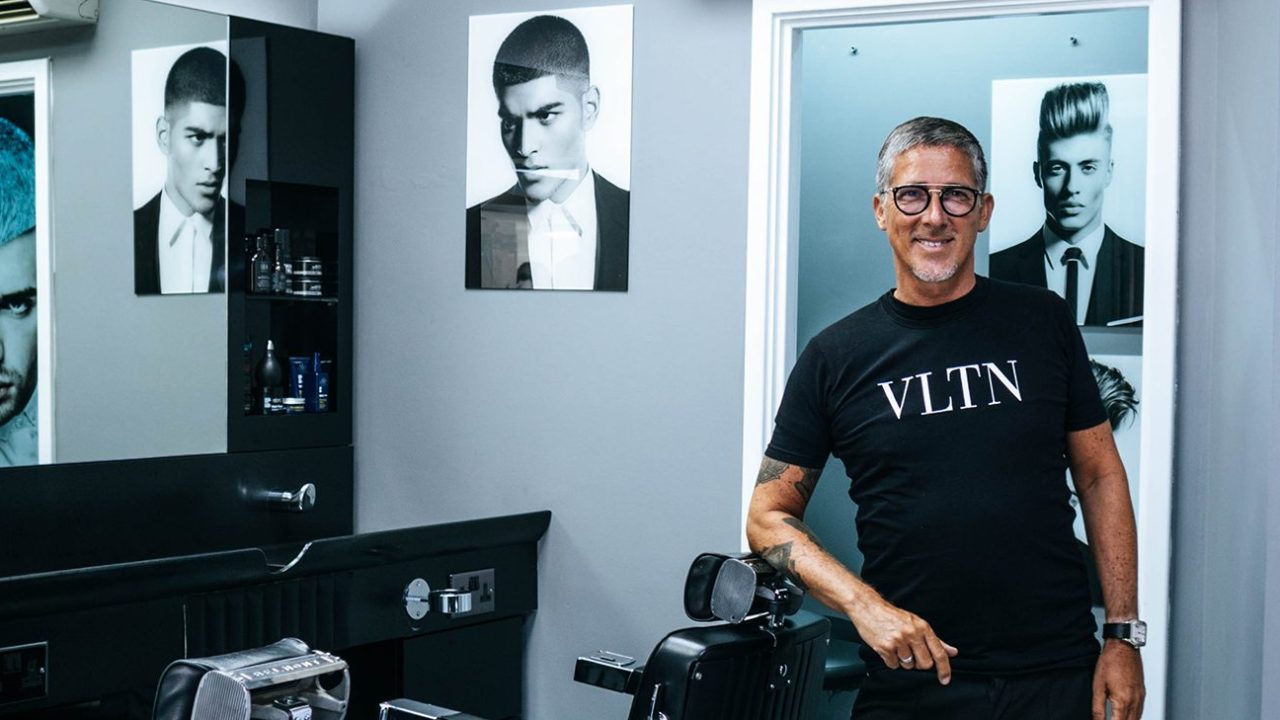
Being a men’s hairdresser it’s important to be able to talk to your male client’s about sensitive issues such as hair loss and thinning.
Training in hairdressing and men’s hair will give you knowledge of this already, however, it’s a good idea to continue to read up on hair loss and hair thinning and ensure you are as knowledgeable as possible on the causes of these issues, how is best to speak to clients about them and to be able to provide advice or recommendation for treatment.
Firstly, it’s important to have a space where your male clients feel comfortable and know they can come to discuss any issues that have in regards to hair loss.
We should try and make men aware that it’s good to talk, to not be ashamed of mental health and know that we are there to support them and they’re in a safe place to chat about their worries and concerns, which for many men can be in relation to their skin and hair loss.
It’s our job to give our clients confidence and to let them know that as men’s hairdressers we offer so much more than just a haircut, it’s about our gents feeling good, looking good, having confidence and leaving having total grooming advice.
When it comes to talking to male clients about hair loss and thinning, we need to have empathy and compassion.
Acknowledge that your clients may feel frustrated, show understanding and acknowledgement and let your clients feel at ease and comfortable to open up and discuss their problems with you and to ask any questions they may have.
Be sure to be prepared for these questions – delve yourself into as much training and education as possible in regards to hair loss, the causes, prevention and repair/treatment to be able to be as knowledgeable as possible on the subject and to be able to guide your clients in the right direction on what to do next.
For some clients, simply changing their hair products or the way they look after their hair may help to prevent hair thinning and hair loss, whereas for other clients they may require treatment.
With clients who are starting to see their hair receding or balding in spots, they may also come into the salon looking for advice on the best haircuts and hairstyling to disguise this and have their hair looking its best, and it’s crucial to be able to help male clients with this and provide them with a haircut where they will feel confident, as well as hairstyling advice and tips to keep their hair looking its best at home in between appointments.
For client’s suffering hair loss and thinning, they regularly are looking for the right products to use to help give their hair a thicker appearance or for products that are gentle on the scalp and that can help promote hair growth.
Always be sure to look into reputable brands when looking for products for your client’s to help with hair loss and thinning and work with these brands to get training on the products and to have as much information on the products as possible, to be able to guide clients on how to use them and inform them on how the products could work for them.
By doing as much education and training as possible on hair loss and thinning, you will be able to recognise different forms of scalp issues, hair loss and thinning to see if you can help the client.
As hairdressers we can help disguise early stages of hair loss and help give recommendations on haircuts, styling and products for thinning hair and to give the appearance of thicker hair and we can also suggest products and tips to help with hair growth and shedding (which often the main cause can be the client’s diet), to avoid hair damage that can cause thinning and hair loss and suggest products to help with scalp issues such as dandruff.
However, for issues and concerns such as alopecia and conditions that can lead to irreversible hair loss, this is where you will want to suggest that clients visit a trichologist that will analyse the hair and scalp and be able to help with providing a diagnosis and treatment for the condition if the cause is not permanent.
Dream. Enter. Achieve: Discover how entering Concept Hair Learner of the Year could build your confidence and open doors to new opportunities!
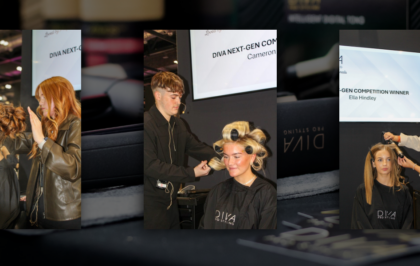
Diva Professional Styling put the spotlight on the next generation of hairdressing talent at Salon International 2026 with its Next Gen Student Competition, celebrating creativity, technical skill and emerging talent within the industry.

Hair and Beauty Trader lets salons, barbers and therapists buy and sell equipment, find training, hire staff and list their salon for free.
Concept Hair 2027: Applications are open for Concept Hair Learner of the Year Competition! Don’t miss your chance!

The Concept Hair Recognition Awards Ceremony 2026 took place yesterday, 30th June 2026, and it was an exceptional day!

HairCon returns with its biggest, boldest Social Stage yet. Expect a line-up of industry leaders, creative icons, and rising voices.