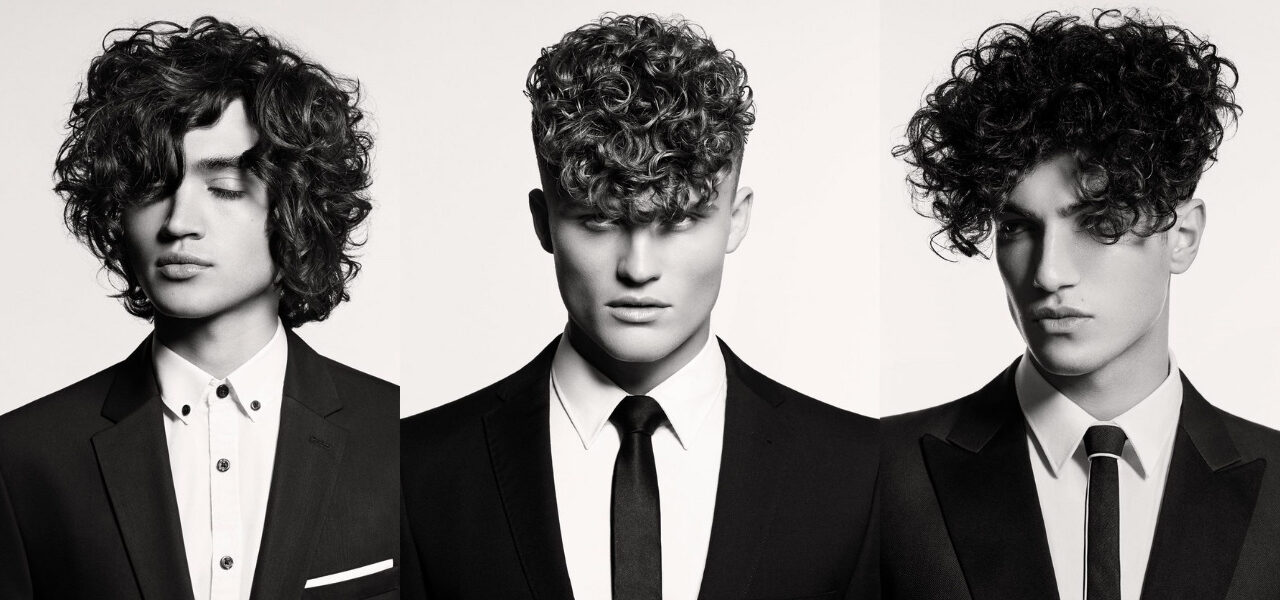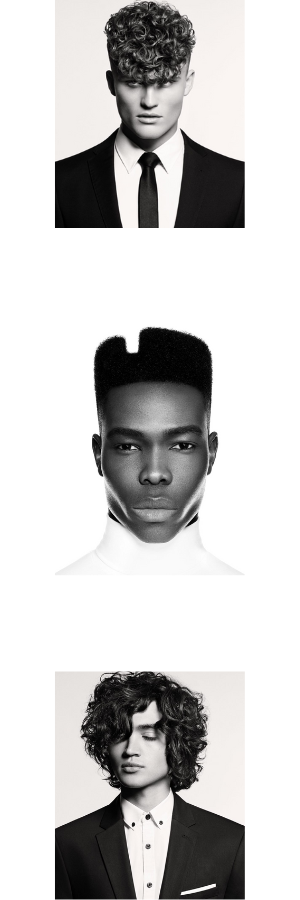
JIM SHAW – WORKING WITH AFRO AND TEXTURED

JIM SHAW, OWNER OF TONI&GUY BILLERICAY AND MULTI AWARD WINNING MEN’S HAIRDRESSER – WORKING WITH AFRO AND TEXTURED Hair

Being able to work on Afro and textured hair types is so important to be
able to cater to clients with these hair types and to show you are an expert in your craft with a variety of
skills.

Not all hairdressers can work on afro and textured hair types, which in this day in age should
be a skill all hairdressers and barbers should be trained in, particularly with the growing
demand. Clients with afro and textured hair types want to know they can visit a
hairdresser/barber with the skills to work on their hair type and feel rest assured they are in
safe, trustworthy hands.

What’s great about afro and textured hair types as there are endless styling opportunities.
However, it’s so important to understand that these hair types do require extra special care,
as the hair can be very dense, fragile and prone to frizz. With that in mind, below are my top
5 tips for look working on afro/textured hair types in the salon…

  1. Be aware of the different curly hair types. From 2a (soft waves) to 4c (tightly coiled
    hair) there are nine curly hair types. The higher the number, the curlier and more
    coily the hair is. Ensure you are able to identify these and that you know how to work
    on all hair types and provide styling and product advice for all.
  2. When it comes to colouring afro/textured hair types, as always a consultation with
    your client is key to allow you to chat to them about the steps you are going to take to
    help achieve their desired hair colour, why you are doing it this way and what the
    outcome will be. It’s so important to be honest with your client on what is achievable
    and ensure your client is happy with the process before going ahead with the
    appointment. Particularly with bleaching, afro hair types may require two sittings of
    bleaching to lighten the hair up, which in turn can cause more damage to the hair. I
    always suggest including a bond rebuilder in with the bleach for all clients but
    particularly those with afro/textured hair to ensure the hair is protected whilst going
    through the colour process and to keep the hair in as best a condition as possible.
  3. Always cut afro hair when it’s dry. The reason for this is that when the hair is wet, it
    can shrink. Therefore ensuring the hair is dry and detangled before cutting is
    essential so that you can see the true length of the hair and to see how the hair will
    fall naturally. Clients with afro hair should come to the salon every 8-12 weeks to
    have their ends trimmed and to keep their curls looking their best and hair more
    manageable. By having regular haircuts the shape of the hair will also look its best.
  1. Take time during the appointment to discuss styling with your clients, with protective
    styling being a key topic. Protective styling is great for preserving the ends of the
    hair, keeping them moisturiser for longer and them free from damage that can be
    done due to things like harsh weather conditions and heated styling. There are many
    protective hair style, from cornrows to twists, box braids, plaits and locs and these of
    course can be worn by both men and woman. Talk to your client about the different
    styles, what styles are lower maintenance, what style suits their personality and
    lifestyle best and what would look great on them taking into account their face shape
    and identify what style would be best for them. Show the client how to create the look
    at home or book them in for an appointment to have their hair styled into the
    protective style. Many clients will also want to talk to you about wearing their hair naturally,
    showing off their hairs natural texture and movement!
  2. Always ensure your afro/textured hair clients leave the salon/barbershop with the
    correct aftercare products to look after their hair at home. As these hair types can be
    more prone to frizz, moisture is essential. Clients should use intensive hair
    treatments and masks that will infuse their hair with hydration and keep frizz at bay.
    These hair types can also be more prone to tangles and with that in mind clients may want
    to invest in products like detangling spray and leave in conditioner sprays that can be
    spritzed through their hair for easier detangling and to help avoid breakage when
    brushing through their hair at home. Hair oils are another fantastic product for
    afro/textured hair types to add further moisture to the hair and curls looking beautiful,
    healthy and glossy.

For those with coloured or bleached afro hair, they should ensure they provide their
hair with extra TLC to help replenish lost moisture and fix damage from the effects of
the colouring process. Colour protecting shampoos should also be recommended for
clients to keep their colour long-lasting and vibrant.

It will take time to be a true expert in working with curly hair types but practise and
being patient is key. Work on developing your skills and having confidence in working
with all curly hair types and you will hone your craft and be an expert in no time. But
remember, always delve into education as much. There are some incredible curly
hair experts out there than you can watch and learn from.