

DREAM. ENTER. ACHIEVE.
Dream. Enter. Achieve: Discover how entering Concept Hair Learner of the Year could build your confidence and open doors to new opportunities!

The topic of black henna tattoos might not be top of your list when talking to your clients about their holiday, but anyone having their hair dyed following a black henna tattoo could pose a higher risk to having an allergic reaction to their colour.
Black henna is illegal in the UK, the reason being that it contains a chemical called p-Phenylenediamine (PPD) which is also found in dark hair dyes. PPD is completely legal in hair dye, but only to a certain level and it is strictly regulated.
Consultant toxicologist David Basketter is one of the UK’s leading voices of authority in toxicology. “In the UK we still follow EU Legislation which states that the maximum concentration of p-Phenylenediamine (PPD) in hair colour must not exceed 2 %. Our levels of are safe and approved for its intended purpose,” he says.
However, there are significant concerns about black henna tattoos and the exceptionally high levels of PPD they contain. Firstly, in the UK they are illegal, and outside the UK there’s confusion about what legislation they fall under. Strictly speaking, they’re not cosmetics, which begs the question what legislation do they fall under? Secondly, the excessively high levels of PPD in black henna is dangerous. Often, they are applied on the street or beach, and you will have no idea of the levels of PPD being used.
“As with all toxicology, the higher the concentration, the greater the risk. As hairdressers are well aware, there is a strong link between over-exposing the body to PPD and allergic reactions. Most people who have these black henna tattoos will have no idea of the PPD levels they’ve encountered,” says David.
Whilst some people may have a reaction immediately, or after a few days or weeks, others can be much longer, and this is where the concern truly lies as the link is less obvious. “Black henna tattoos are designed to last a few weeks or months, but your client might not have a reaction for 10 years or more. They could have a black henna tattoo done and not notice an inflammation, but years later when you are colouring their hair, they’ll still be allergic to PPD and could have a reaction” he says.
If your client has been overexposed to PPD, the only way to know and to avoid a severe reaction is to do a patch test before having hair colour. Colourstart professional allergy screening is the first clinically proven test for allergy to hair colour to be licenced by the Medicines and Healthcare Products Regulatory Agency (MHRA). It is a universal patch test for use across all colour brands. It allows for complete colour freedom as it tests against PPD, not just one specific colour. The test is carried out at home, is left for 2 days and any reaction is recorded 2 days after removal. Redness, itching or inflammation indicates an allergy to PPD and colouring is not recommended.
For further information on Colourstart email hello@colourstart.com, visit Colourstart.com or call 0330 3905888.
References & further information:
Dream. Enter. Achieve: Discover how entering Concept Hair Learner of the Year could build your confidence and open doors to new opportunities!
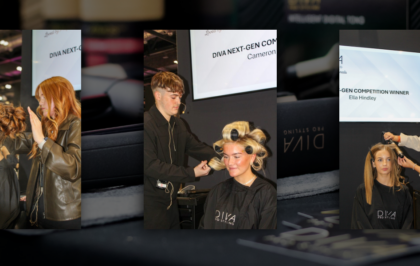
Diva Professional Styling put the spotlight on the next generation of hairdressing talent at Salon International 2026 with its Next Gen Student Competition, celebrating creativity, technical skill and emerging talent within the industry.

Hair and Beauty Trader lets salons, barbers and therapists buy and sell equipment, find training, hire staff and list their salon for free.

Concept Hair 2027: Applications are open for Concept Hair Learner of the Year Competition! Don’t miss your chance!

The Concept Hair Recognition Awards Ceremony 2026 took place yesterday, 30th June 2026, and it was an exceptional day!

HairCon returns with its biggest, boldest Social Stage yet. Expect a line-up of industry leaders, creative icons, and rising voices.