
DREAM. ENTER. ACHIEVE.
Dream. Enter. Achieve: Discover how entering Concept Hair Learner of the Year could build your confidence and open doors to new opportunities!
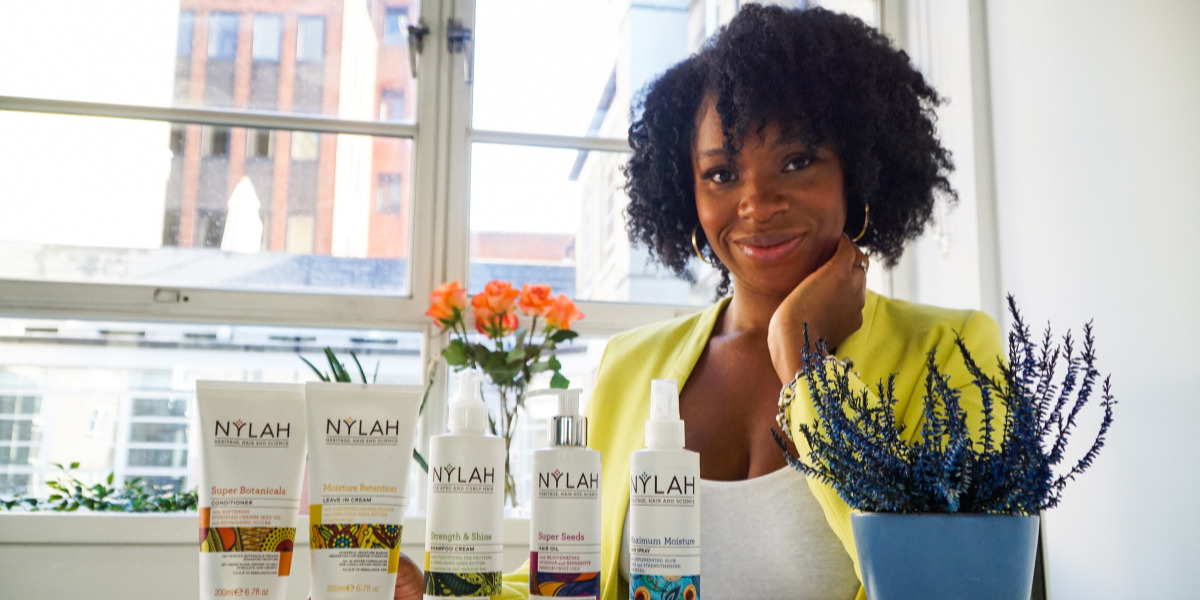
Afro-Textured Hair Expert and Founder of Nylah’s Naturals, Kam Davis, Comments on the Most Important Trends of 2022 in the Afro Hair Space.
2022 has been an eventful year across all industries, and the afro-textured hair space is no different. From discussion around better representation to the ongoing struggle against the use of harmful chemicals in hair products, several major trends have shaped the natural hair movement over the last twelve months. Kam Davis, afro-textured haircare expert and founder of Nylah’s Naturals, shares her take on some of the most important conversations and trends that defined 2022 and makes her own predictions about how the natural hair movement will evolve in the coming year.
This year we have been part of revolving conversations about the many harmful chemicals found in hair straighteners and relaxers. Especially after the release of a recent study linking hair straightening to an almost twofold increased risk of uterine cancer, there is rising concern regarding the need for deeper conversations around societal pressure and acceptance of natural hair, both in the professional and personal spheres.
“Even though multiple studies have shown the negative health effects associated with long-term use of chemical hair straighteners, many Black women still feel pressure to continue with this harmful practice. There is a long history of stigmatising afro-textured hair when it is worn naturally. In order to normalise this, we need to work together as a society so that Black women eventually feel like they truly have the choice and tools to embrace their natural hair without any stress about conforming to societal norms,” says Davis.
The media has long stigmatised Black hair for many decades, from the lack of true-to-life representation through TV and cinema to the infamous “black face”. Over the last several years, however, there has been a push for wider representation of the diversity of natural hair. Showing more natural Black hair on screen and rocked by Black actresses and actors on the red carpet has helped this trend. Although there has been positive progress, the situation is still far from ideal and much more work is needed in this space.
“As an industry that sets beauty standards and influences public opinion, modern-day cinema definitely needs to do more when it comes to fair representation of natural Black hair. As a mother, I hope that my daughter will grow up watching Black women proudly wearing and celebrating their natural afro-textured hair in a variety of styles, represented widely on screen and in pop culture. I hope that the media will finally start to empower Black women and men, instead of creating even more stereotypes. This is also a repeated narrative in the latest ‘Harry & Meghan’ documentary: from the importance of racial esteem to societal pressure to ‘fit in’. It’s very refreshing to see the amazing hair styling work in certain movies, such as the Black Panther saga, but there is so much room for improvement when it comes to embracing and showcasing the diverse beauty of Black hair, both on-screen and in real life,” continues Davis.
In October this year, Britain’s Equality and Human Rights Commission (EHRC) released new guidance to schools on taking action to prevent hair discrimination against pupils with afro hair. For many years, a number of schools in Britain have practised harsh uniform policies, often labeling natural afro hair as unacceptable and sending pupils home for wearing their hair naturally. The court case of Ruby Williams drew attention to this problem, and the EHRC has now stated that afro hair is classified as a protected characteristic, along with race, under the Equality Act 2010.
“Acknowledging that the problem exists means we are already on the right track to finding a solution. Being outed or criticised in a school environment based on your hair or other racial appearances leads to long-term psychological damage for pupils and their families, and may even cause anxiety and depression. Hopefully, more and more schools will take action following the new EHRC guidance by revising their uniform policies and working together to make schools a place of acceptance and celebration of every student, allowing them to comfortably express themselves and feel proud of who they are,” shares Davis.
What may seem like a more minor event may actually set an industry-wide standard for wider acceptance and representation of Black athletes in various sports. Following the 2021 Olympic ban on the usage of a swimming cap for afro hair, after which a year-long battle ensued, the cap was finally approved for use in high-level competitions worldwide.
“It’s exciting to see how the future of swimming is being shaped right before our eyes. This future is definitely more diverse and inclusive than ever, and we hope that this trend towards greater inclusivity and celebration of diverse athletes and their bodies will influence other sports too. After all, isn’t that what sport is all about?” concludes Davis.
Dream. Enter. Achieve: Discover how entering Concept Hair Learner of the Year could build your confidence and open doors to new opportunities!
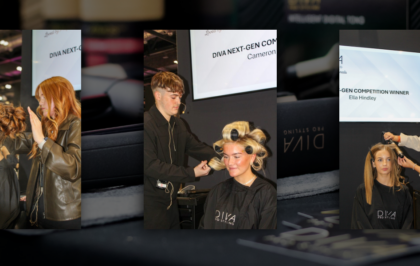
Diva Professional Styling put the spotlight on the next generation of hairdressing talent at Salon International 2026 with its Next Gen Student Competition, celebrating creativity, technical skill and emerging talent within the industry.

Hair and Beauty Trader lets salons, barbers and therapists buy and sell equipment, find training, hire staff and list their salon for free.
Concept Hair 2027: Applications are open for Concept Hair Learner of the Year Competition! Don’t miss your chance!

The Concept Hair Recognition Awards Ceremony 2026 took place yesterday, 30th June 2026, and it was an exceptional day!
HairCon returns with its biggest, boldest Social Stage yet. Expect a line-up of industry leaders, creative icons, and rising voices.